Bath pillows and suction cups: why some hold for an hour and some drift

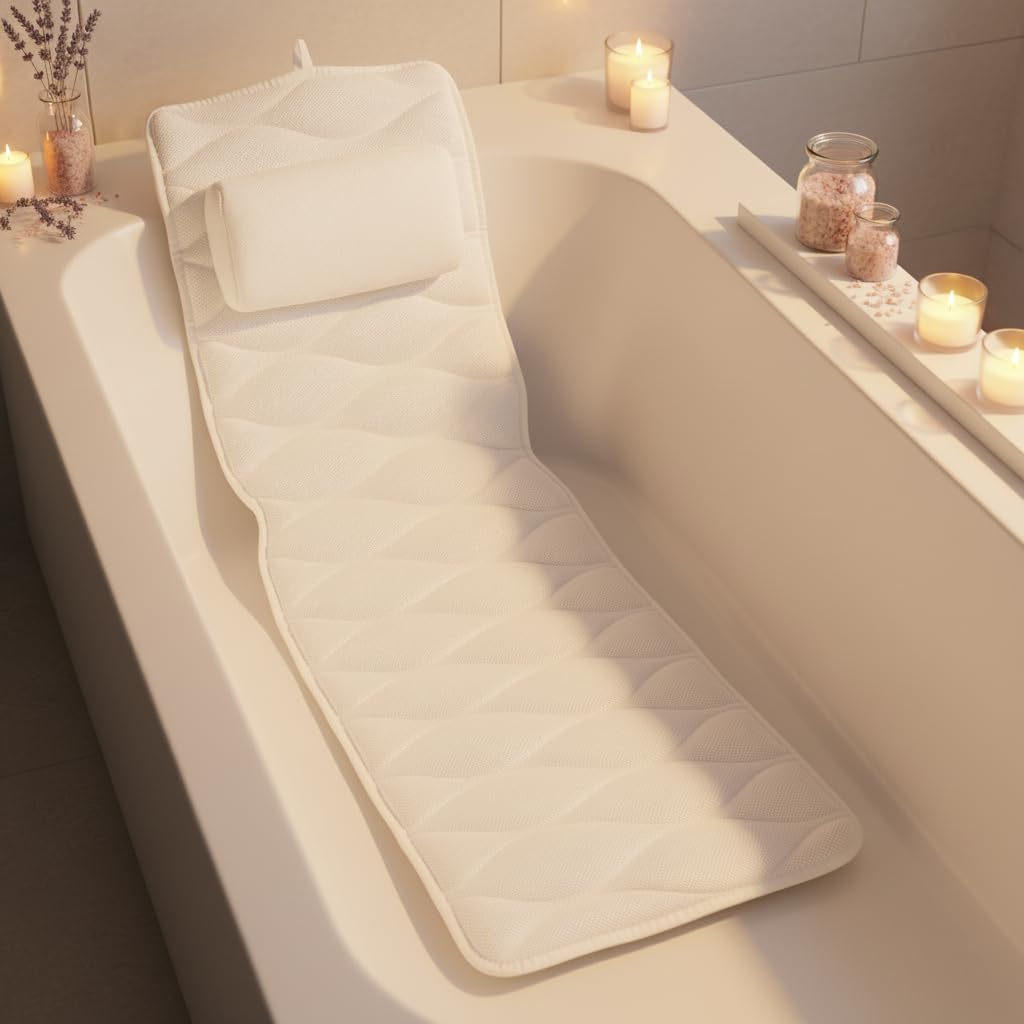
There are few things more universally disappointing than settling into a warm, inviting bath, leaning back onto your bath pillow, only for it to drift away after mere minutes. What began as a promise of luxurious relaxation quickly devolves into a frustrating attempt to reattach a stubbornly uncooperative accessory. It is a common scenario that many bath enthusiasts experience, disrupting the tranquility they sought.
The secret to a bath pillow that truly stays put lies almost entirely within the humble suction cup. While they all seem similar, their effectiveness can vary dramatically. Understanding why some suction cups cling tenaciously for an entire soak, whilst others seem to give up the ghost almost immediately, involves a look at materials, surfaces, and even how we apply them.
The Science of Suction
At its core, a suction cup doesn’t “stick” in the traditional sense; it creates a vacuum. When you press a cup against a surface, you expel the air from underneath it. The surrounding atmospheric pressure, which is surprisingly strong, then pushes the cup firmly against the surface. For this to work effectively, an airtight seal must be maintained between the cup and the surface it’s applied to.
The moment any air, no matter how minute in quantity, manages to ingress beneath the suction cup’s rim, the vacuum is compromised. This allows the external atmospheric pressure to equalise, immediately causing the cup to lose its grip and detach. It is a delicate balance, and any tiny imperfection or external force can easily break this essential seal, leading to a drifting pillow.
Surface Matters: Texture and Porosity
The type of surface you are attaching your bath pillow to is perhaps the most critical factor in its longevity. Smooth, non-porous materials like glazed ceramic, polished acrylic, or pristine fibreglass are ideal. These surfaces allow the suction cup to form a complete, unbroken seal, creating the strong vacuum necessary for a lasting hold.
Conversely, textured surfaces, such as those with moulded anti-slip patterns, matte finishes, or even worn enamel, present a significant challenge. These irregularities, even microscopic ones, provide pathways for air to enter beneath the cup. Pores in the material or even slight etching from harsh cleaning products can prevent an airtight seal, making it impossible for the suction cup to maintain its grip.
Water Quality and Buoyancy
The very medium you are bathing in can also play a role in suction cup performance. In areas with hard water, mineral deposits like limescale can build up on the bath’s surface over time. This creates a rough, uneven texture that interferes with the suction cup’s ability to lie perfectly flat and seal securely, making reliable adhesion difficult to achieve.
Furthermore, the buoyancy of the bath pillow itself is a factor. Lighter, more air-filled pillows will naturally exert a greater upward force when submerged in water. This constant, gentle pull continuously tests the integrity of the suction cup’s seal. If the suction is not absolutely perfect, the persistent buoyant force can gradually work to encourage air ingress and ultimately lead to detachment.
The Material and Design of the Suction Cup
Not all suction cups are created equal. The material they are made from significantly impacts their pliability and ability to conform. High-quality silicone or soft, flexible PVC will adapt better to minor surface irregularities, creating a more robust and resilient seal. Stiffer, cheaper plastics, however, are less adaptable and more prone to losing their initial grip.
The design of the suction cup, including its diameter and number, also plays a crucial role. Larger suction cups provide a greater surface area for atmospheric pressure to act upon, potentially resulting in a stronger hold. Multiple smaller cups, on the other hand, can distribute the load more effectively and offer redundancy; if one cup fails, the others may still maintain a sufficient grip.
Application Technique: Getting It Right
Cleanliness is Paramount
Even the best suction cups will fail if the surfaces involved are not impeccably clean. Any residue—be it soap scum, bath oils, body lotions, or even simple dust—will act as a barrier between the suction cup and the bath surface. This prevents the formation of a proper airtight seal, allowing air to leak in and rendering the suction cup ineffective from the outset.
The Right Way to Press
To achieve the best possible hold, begin by ensuring both the bath surface and the suction cups are entirely clean and dry, or at most, only slightly damp. Position the bath pillow and press each suction cup firmly from its centre outwards. This technique ensures that as much air as possible is expelled from beneath the cup, creating the strongest initial vacuum and a reliable seal.
Temperature Fluctuations and Material Fatigue
The environment of a bath involves significant temperature changes that can impact suction cup performance. Hot bath water causes materials, including both the bath surface and the suction cup, to expand slightly. As the water cools, these materials contract, and this thermal cycling can stress the seal, potentially creating tiny gaps through which air can gradually seep in.
Over time, suction cup materials are susceptible to degradation, a phenomenon often referred to as material fatigue. Repeated exposure to hot water, various bath salts, oils, and cleaning agents can cause the material to harden, lose its elasticity, or even crack. This loss of pliability means the cups can no longer conform effectively to the bath surface, severely diminishing their sealing capability.
Common Pitfalls and How to Avoid Them
Certain areas of a bath are inherently unsuitable for suction cup attachment. Avoid trying to place suction cups over grout lines between tiles, as these gaps will inevitably break the seal. Similarly, areas with heavily textured anti-slip patches moulded into the bath, or surfaces with chipped or worn enamel, provide too many irregularities for a reliable vacuum to form.
Regularly inspect your bath pillow’s suction cups for any signs of damage, such as tears, hardening, or warping. If you notice them becoming less pliable, a clever trick for some materials is to carefully submerge the cups in hot (not boiling) water for a minute or two. This can often soften the material, helping them regain some of their original flexibility and improving their sealing potential.
Maintenance for Longevity
Good maintenance practices are essential for extending the life and effectiveness of your bath pillow’s suction cups. After each use, it is wise to detach the pillow and thoroughly wipe down both the bath surface and the suction cups. This removes any lingering soap residue, bath oils, or mineral deposits that could otherwise build up and compromise future suction.
Proper storage also plays a crucial role. Avoid leaving your bath pillow attached to the tub for extended periods, as this can cause the suction cups to deform permanently. Instead, detach it, rinse it under clean water, and allow it to air dry. Storing it flat or in a manner that prevents the cups from being squashed will help them retain their original shape and sealing efficiency for many relaxing baths to come.
The short version
- Cleanliness is paramount: Ensure both the bath surface and the suction cups are scrupulously clean and free from soap scum, oils, or limescale before every use.
- Apply with precision: Press each suction cup firmly from its centre onto a smooth, non-porous, slightly damp surface to expel all air and create a strong, lasting vacuum.
- Maintain and store correctly: Regularly inspect cups for wear, clean them after each use, and store the pillow detached and flat to prevent deformation and prolong their sealing effectiveness.
Where to go next
Everything discussed here sits under Bath Pillows and Seats in our shop. Delivery and returns are set out on the Shipping Policy and Refund and Returns Policy pages. If something here does not answer your question, ask us directly — we would rather talk it through than have you buy the wrong thing.